What it means
Amid countless identical acts of routine kindness, one particular connection rises above all others as irreplaceable. Tesla fed pigeons by the thousands, yet a single white bird held his complete attention and devotion. The quote captures how singular attachment can emerge from repetition — that one relationship, person, or thing can quietly become the emotional center of an entire life while everything else remains background noise.
Relevance to Nikola Tesla
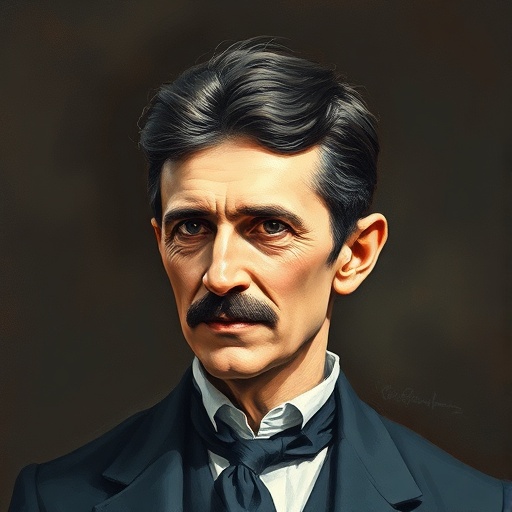
Tesla spent his final decades in profound isolation, never marrying and maintaining few close human bonds. He developed an intense devotion to a specific white pigeon he cared for near the Hotel New Yorker, reportedly calling her the love of his life. This reflects his extraordinary emotional depth channeled outside convention — a solitary genius capable of fierce attachment but directing it toward an unconventional recipient rather than the human connections that largely eluded him.
The era
Tesla spoke these words during the 1930s–40s, a period of personal ruin. His Wardenclyffe Tower had failed, Edison's legacy overshadowed his, and Marconi received the Nobel Prize for radio work Tesla helped pioneer. Living in debt at the Hotel New Yorker, largely forgotten by the scientific establishment, he found in this single pigeon one of his last genuine emotional anchors during an era of electrical and industrial triumph he helped build but never financially benefited from.
AI-generated insights based on extensive research and information for context. Factual errors? Email [email protected].