What it means
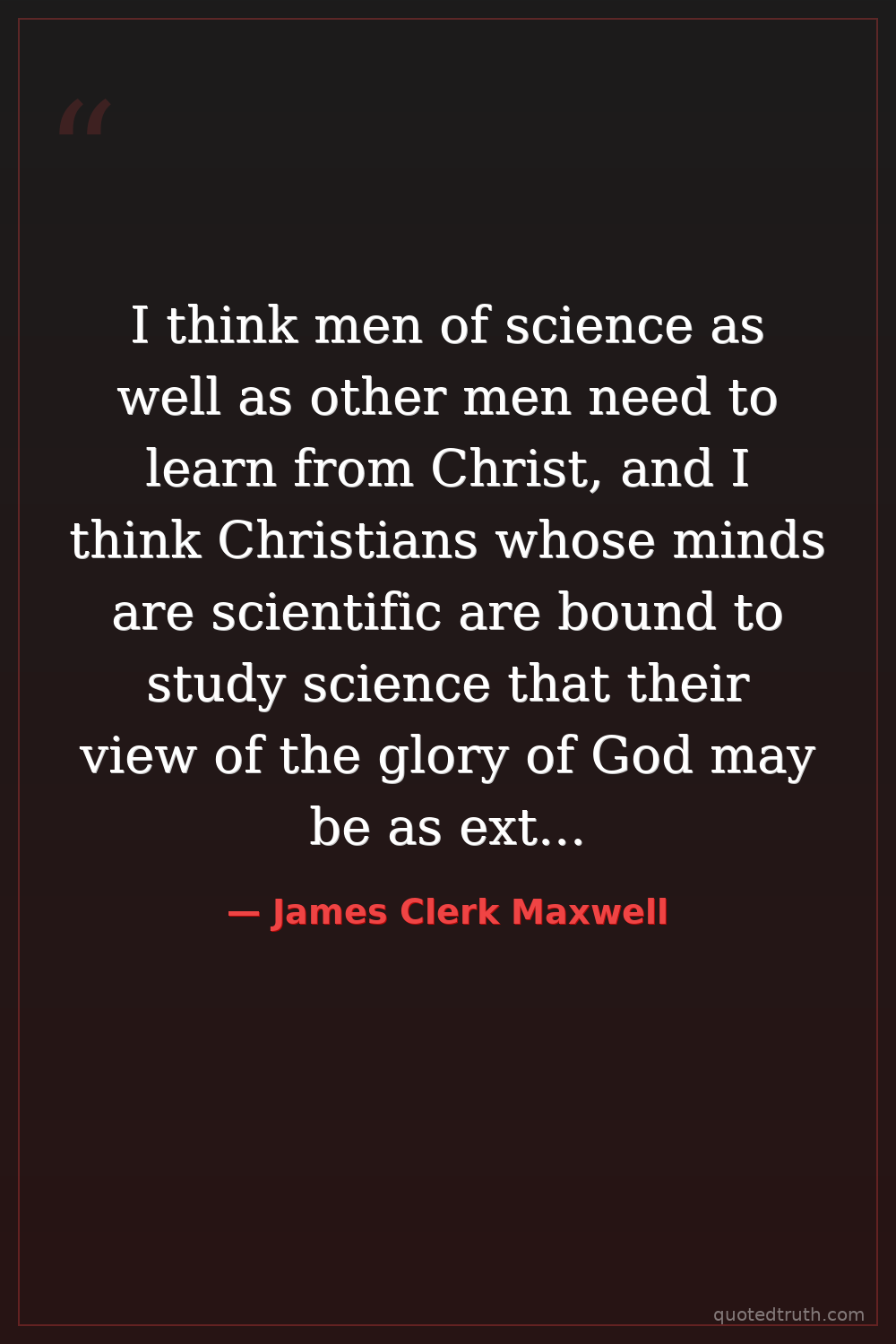
Scientists, like everyone else, benefit from learning from Christ's teachings, and Christians with scientific talent have a duty to pursue science seriously. The reason is that studying the natural world enlarges a believer's appreciation of God's glory. Faith shapes moral character while science expands understanding of creation, and neither should be neglected. A person grows most fully when both intellectual inquiry and spiritual learning are pushed as far as their capacity allows.
Relevance to James Clerk Maxwell
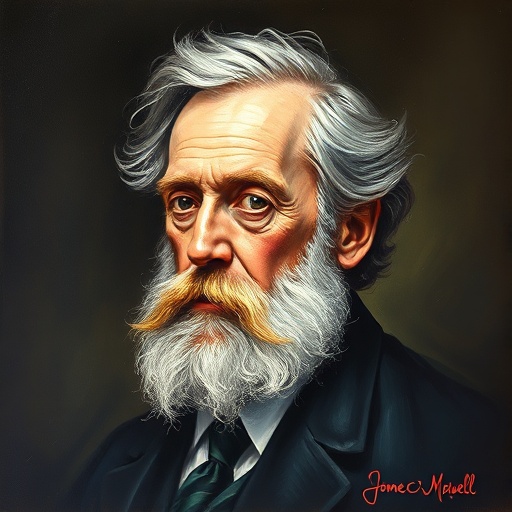
Maxwell was a devout Presbyterian who saw no conflict between his groundbreaking work unifying electricity, magnetism, and light and his deep Christian faith. He prayed daily, memorized scripture, and wrote theological reflections alongside his equations. For him, uncovering the mathematical laws governing electromagnetic fields was an act of worship, revealing the orderly mind of the Creator. This quote captures his lifelong conviction that rigorous science and sincere devotion reinforced rather than undermined each other.
The era
Maxwell worked in Victorian Britain (1831-1879), an era when Darwin's Origin of Species (1859) had ignited fierce debates about science versus religion. Many peers felt forced to choose sides, with figures like Huxley championing naturalism against clerical authority. Maxwell lived through this cultural rupture while publishing his Treatise on Electricity and Magnetism in 1873. His insistence that scientists learn from Christ pushed back against the emerging divorce between empirical inquiry and Christian devotion that defined his generation.
AI-generated insights based on extensive research and information for context. Factual errors? Email [email protected].