What it means
A person claims continuous identity across multiple lifetimes, possessing divine-granted memory that bridges past and present selves. This asserts that the soul persists beyond individual deaths, accumulating wisdom across reincarnations. The speaker positions themselves as uniquely connected to divine origins, suggesting their insights come not merely from one lifetime of study but from an eternal, god-touched lineage of accumulated experience and knowledge.
Relevance to Pythagoras
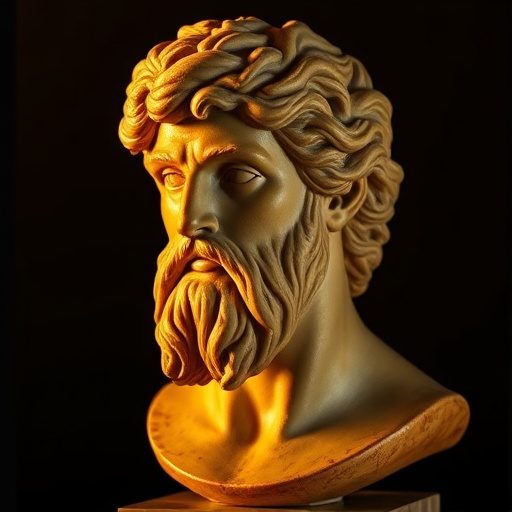
Pythagoras founded a religious-philosophical brotherhood obsessed with the immortal soul and metempsychosis, the transmigration of souls across lives. He reportedly recalled being Euphorbus, a Trojan War hero, among other past identities. This belief wasn't eccentric vanity but central to his entire philosophical system: numbers, harmony, and the cosmos were eternal truths his soul had encountered repeatedly, explaining his extraordinary mathematical intuitions.
The era
Ancient Greece, roughly 570-495 BCE, was saturated with mystery cults, Orphic traditions, and Homeric reverence for divine ancestry. Claiming descent from or connection to gods like Hermes legitimized intellectual authority. Reincarnation beliefs from Egypt and the East were circulating through Greek thought. In this environment, Pythagoras's claims weren't dismissed as madness but respected as markers of a supremely elevated, divinely initiated philosopher-sage.
AI-generated insights based on extensive research and information for context. Factual errors? Email [email protected].