What it means
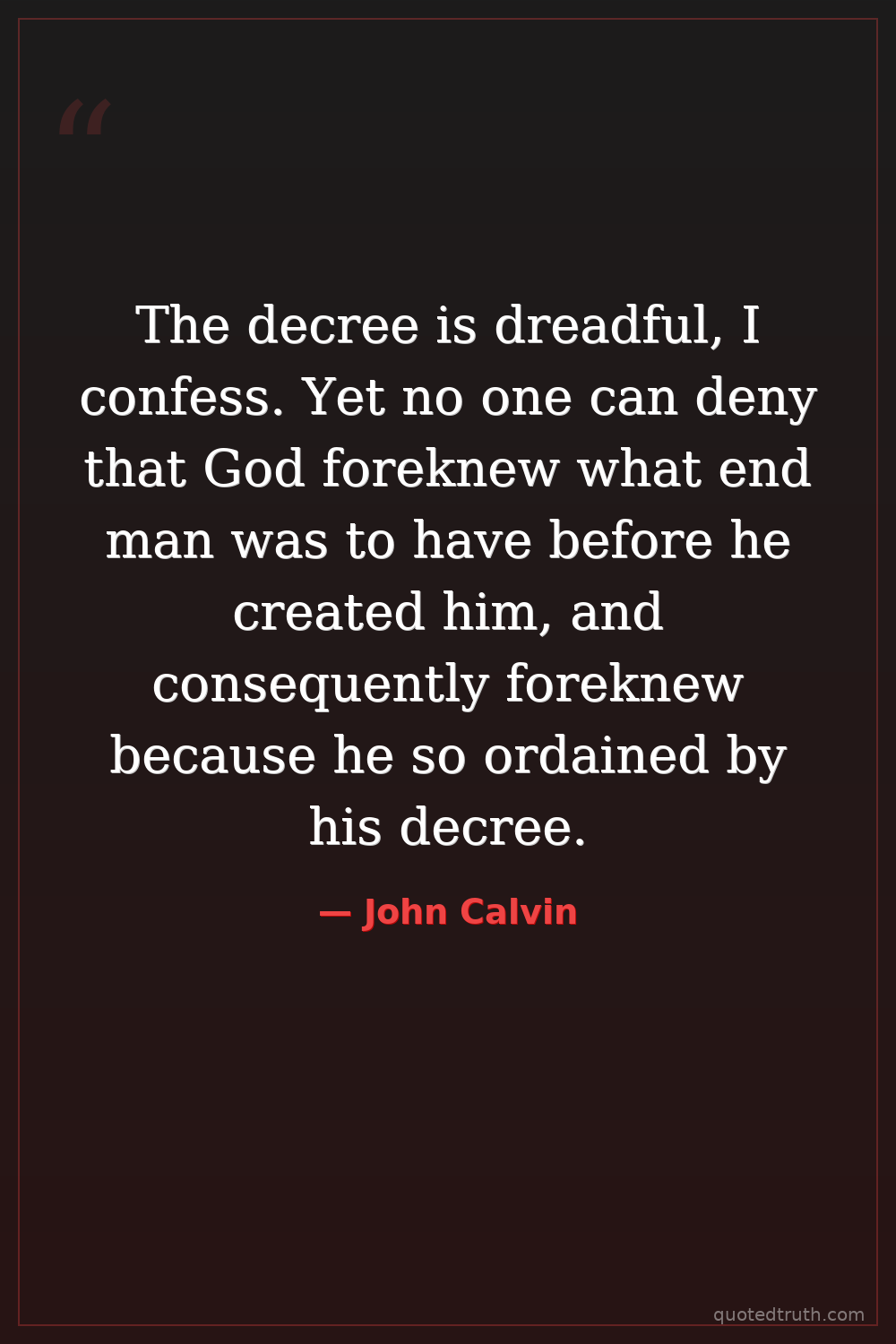
Calvin grapples with double predestination — the doctrine that God determined before creation who would be saved and who would be damned. He openly calls the idea disturbing but insists logic requires it: if God foreknew every person's ultimate fate before creating them, that foreknowledge can only exist because God himself decreed those outcomes. Divine omniscience and divine sovereignty are inseparable; foreknowledge without decree would make God a passive observer.
Relevance to John Calvin
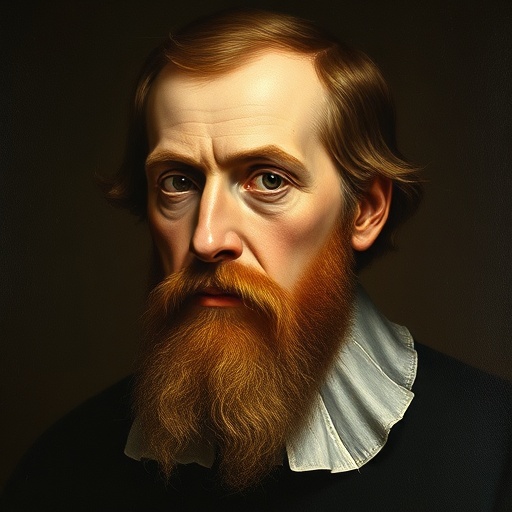
Calvin spent his career in Geneva systematizing Protestant theology, and predestination was its most controversial pillar. His Institutes of the Christian Religion defends this doctrine across multiple chapters. Trained as a lawyer before becoming a reformer, Calvin prized logical consistency above comfort — he famously called predestination the decretum horribile yet refused to soften it. His willingness to name the doctrine dreadful while still defending it reveals his defining trait: theological rigor over palatability.
The era
The 16th-century Reformation dismantled Catholic salvation through works and sacraments, forcing Protestants to rebuild soteriological frameworks from scripture alone. Luther had revived Augustine's predestination; Calvin systematized it into full double predestination. Religious wars between Catholic and Protestant powers meant doctrinal positions carried political and mortal stakes. Geneva itself was a theocratic republic where Calvin's theology shaped civil law, making abstract decrees about damnation immediately consequential for real citizens and magistrates.
AI-generated insights based on extensive research and information for context. Factual errors? Email [email protected].