What it means
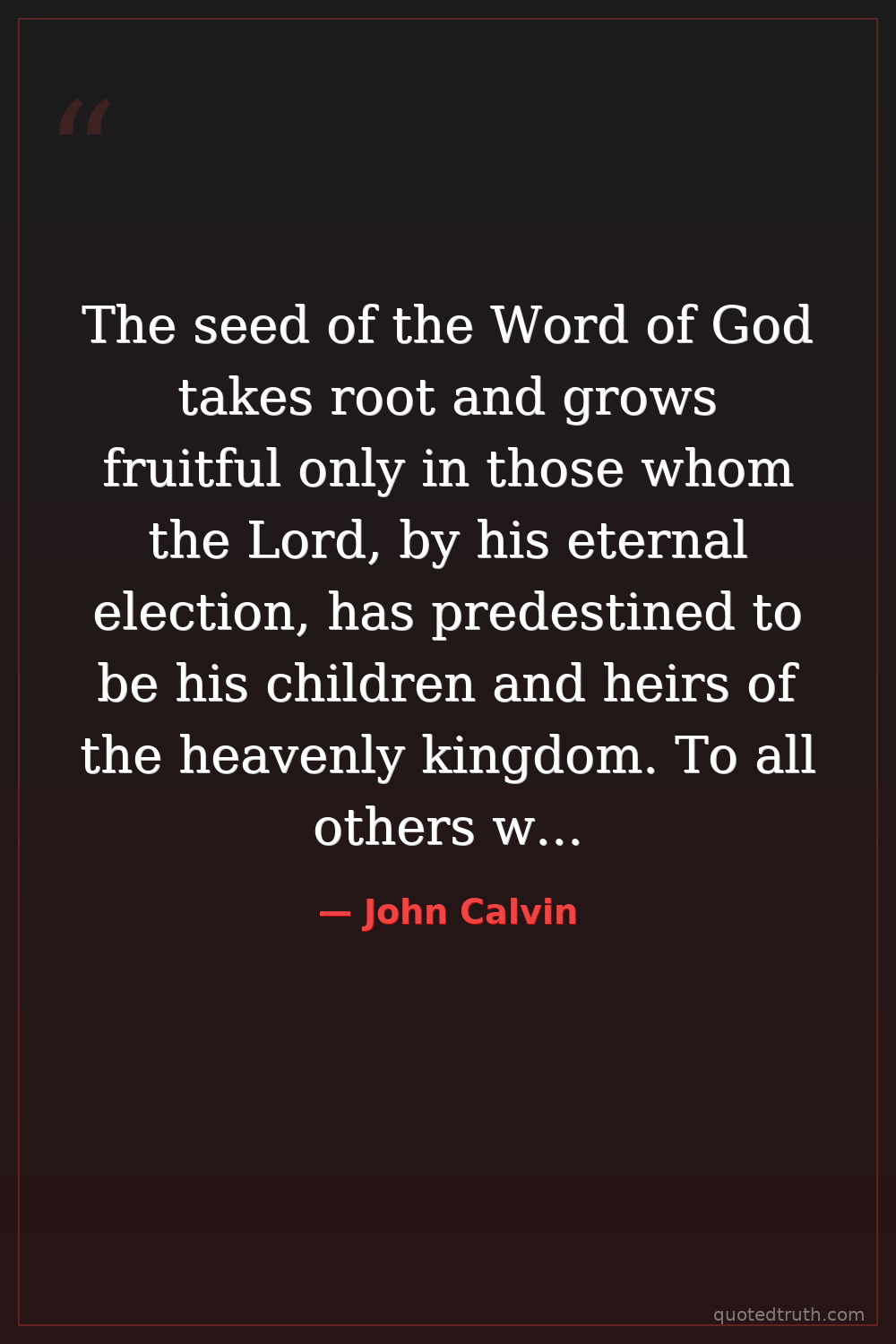
God's Word only takes root in people he has eternally chosen for salvation before the world existed. For everyone else—those God has predetermined to be excluded—even the clearest, most honest preaching of the gospel cannot save them; it only deepens their condemnation. Salvation is entirely God's sovereign, pre-creation decision, not a result of human response, effort, or receptiveness to truth.
Relevance to John Calvin
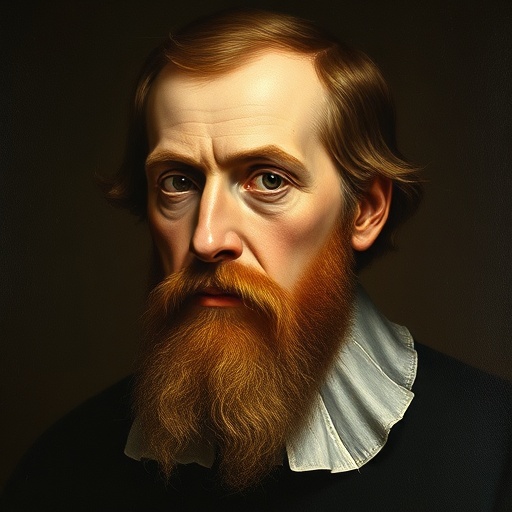
Predestination was the cornerstone of Calvin's theology, developed systematically in his Institutes of the Christian Religion. As Geneva's leading reformer, he built church governance and preaching around God's absolute sovereignty. This quote directly mirrors his double predestination doctrine—election and reprobation decided before creation—which distinguished Reformed theology from both Catholic free-will teaching and softer Protestant positions, defining his intellectual battles and lasting legacy.
The era
The 16th-century Reformation shattered medieval Catholic consensus on salvation through sacraments and merit. Luther's break opened fierce debates Calvin sharpened: is salvation God's unilateral act or does human will cooperate? The Council of Trent actively reasserted Catholic free-will doctrine while Protestant factions splintered over predestination. Religious wars reshaped political borders. Calvin's hard predestinarian answer gave Reformed communities a stark, coherent theology in a violently contested landscape.
AI-generated insights based on extensive research and information for context. Factual errors? Email [email protected].