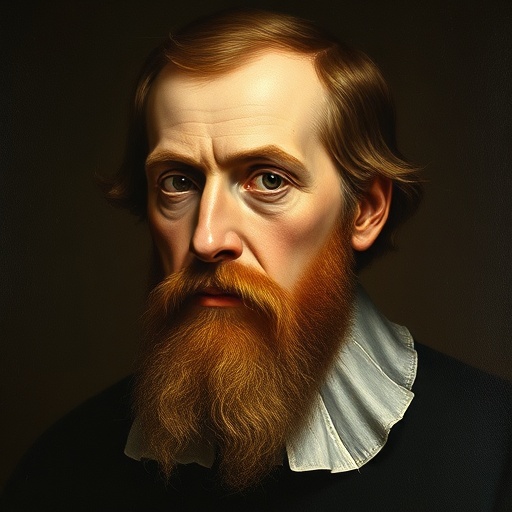
John Calvin — "There is not one blade of grass, there is no color in this world that is not int…"
There is not one blade of grass, there is no color in this world that is not intended to make us rejoice.
There is not one blade of grass, there is no color in this world that is not intended to make us rejoice.
Click any product to generate a realistic preview. Up to 3 at a time.
* Initial load can take up to 90 seconds — revising the preview in another color is nearly instant.
"It is not in our power to believe or not to believe."
"The reason why some are saved and others perish is not to be sought in their own will, but in the secret counsel of God."
"We frankly confess that God has ordained to death those whom he has not deemed worthy of life."
"We cannot be sure of our salvation unless we have known our condemnation."
"The heart of man is a perpetual idol factory."
French theologian whose Institutes of the Christian Religion (1536) systematized Protestant Reformed doctrine, including predestination. Closely associated with Martin Luther (Reformation founder, Calvin's predecessor). For an intellectual contrast, see Jacobus Arminius, Dutch Reformed theologian (1560-1609) — Arminius's rejection of strict double-predestination founded Arminianism — the theological tradition modern Methodism, most evangelicalism, and Pentecostalism descend from. The Calvinist-Arminian debate has divided Protestantism for 400 years.
Found in 1 providers: deepseek
1 source checked
Every element of the natural world — even something as ordinary as a single blade of grass — exists with divine intention to produce human joy. Calvin asserts that beauty and color in creation are not incidental but purposeful gifts. This counters any notion that spiritual life requires rejecting the physical world; instead, the visible world actively invites delight and gratitude as a response to its maker.
Calvin's theology of providence held that God governs all things with purpose — nothing is random or accidental. In his Institutes of the Christian Religion, he described creation as a 'theater' displaying divine glory. Despite Geneva's reputation for strict moral discipline under his leadership, Calvin genuinely believed natural beauty was a divine gift, and that appreciating creation's splendor was itself an act of worship affirming God's sovereignty over all things.
The Protestant Reformation was dismantling centuries of Catholic tradition, including religious art and imagery. Calvinist reformers stripped churches of paintings and statues, making Calvin's celebration of natural beauty significant — he distinguished man-made religious imagery, which risked idolatry, from God-made creation, which legitimately produces joy. Meanwhile, the Renaissance had reawakened Europe's appreciation for nature, creating a tension between iconoclasm and aesthetic pleasure that Calvin navigated by grounding beauty firmly in divine intention.
AI-generated insights based on extensive research and information for context. Factual errors? Email [email protected].
Your cart is empty