Martin Luther — "The soul can do without anything except the Word of God, without which there is …"
The soul can do without anything except the Word of God, without which there is no help for it at all.
The soul can do without anything except the Word of God, without which there is no help for it at all.
Click any product to generate a realistic preview. Up to 3 at a time.
* Initial load can take up to 90 seconds — revising the preview in another color is nearly instant.
"This life therefore is not righteousness, but growth in righteousness, not health, but healing, not being but becoming, not rest but exercise. We are not yet what we shall be, but we are growing towar…"
"He who does not love wine, women, and song remains a fool his whole life long."
"If the earth is fit for laughter, then surely heaven is filled with it. Heaven is the birthplace of laughter."
"If they can bear to live among us Christians and Jews, then they should be forced to work like women in childbirth."
"If I am not allowed to laugh in heaven, I don't want to go there."
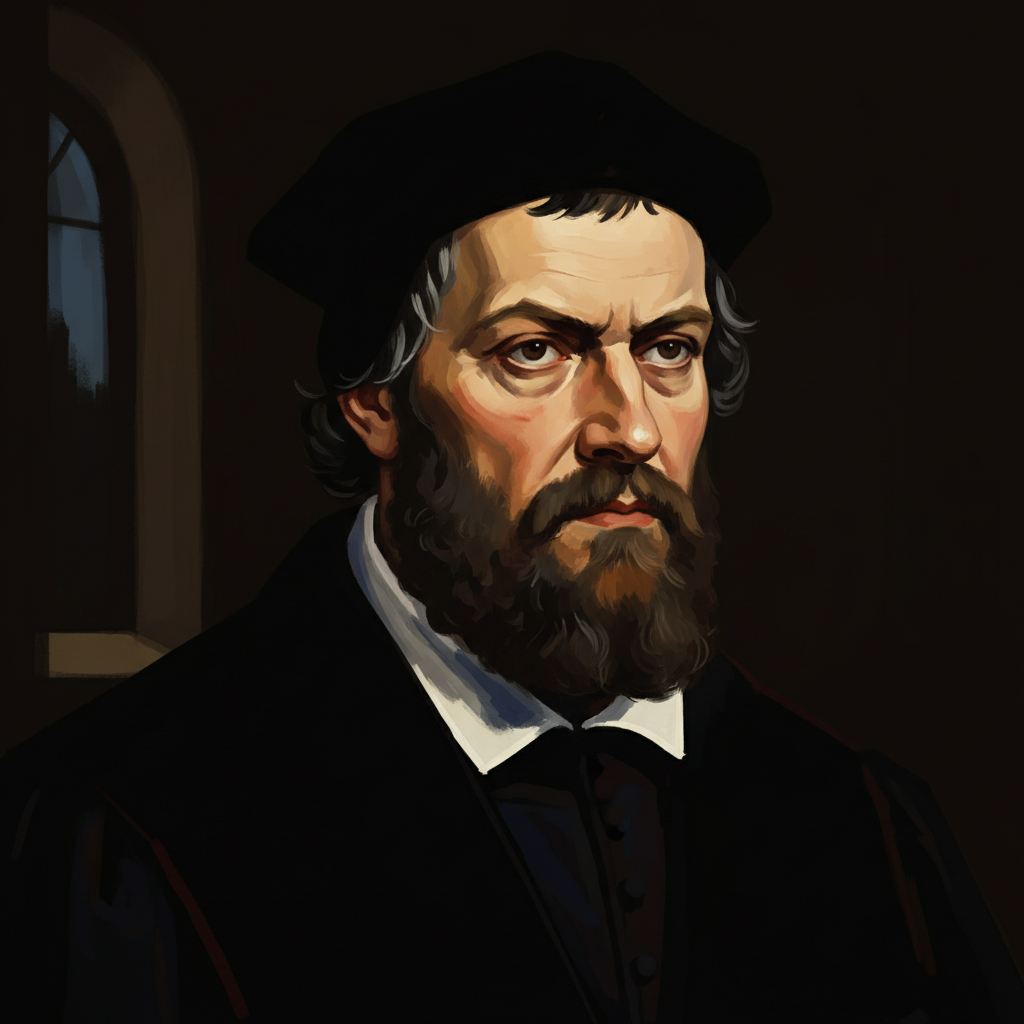
German theologian whose 95 Theses (1517) launched the Protestant Reformation and broke the Catholic Church's monopoly on Western Christianity. Closely associated with Philipp Melanchthon (Lutheran systematizer) and John Calvin (later Reformer who built on Luther's break). For an intellectual contrast, see Pope Leo X, Renaissance pope (1513-1521) — Leo X's indulgence sales triggered Luther's break and Leo excommunicated him in 1521 — Luther's entire Reformation is structured as a direct answer to the indulgence-funded Vatican Leo represented.
Found in 1 providers: grok
1 source checked
Everything a person owns, experiences, or relies on in life is expendable except one thing: direct access to God's Word, meaning Scripture. Food, wealth, status, relationships, even religious rituals can be stripped away and the inner self survives. But cut off contact with the biblical text itself, and there is nothing left to sustain, guide, or rescue a person spiritually. Scripture alone is non-negotiable.
Luther was an Augustinian monk turned Bible translator who staked his life on sola scriptura, the doctrine that Scripture alone holds ultimate authority, not popes or councils. He translated the New Testament into German in eleven weeks while hiding at Wartburg Castle after being declared an outlaw. This quote distills his lifelong conviction that direct lay access to the biblical word, not sacraments or clergy, is what actually feeds a soul.
In early sixteenth-century Europe, the Catholic Church controlled Scripture through Latin Vulgate texts most people could not read, while selling indulgences to fund St. Peter's Basilica. Gutenberg's press, barely seventy years old, suddenly made mass Bible distribution possible. Luther's 1517 Ninety-Five Theses ignited the Reformation precisely because printing let his vernacular arguments reach ordinary Germans. Declaring the Word indispensable was a direct political strike at the clergy's monopoly on salvation.
AI-generated insights based on extensive research and information for context. Factual errors? Email [email protected].
Your cart is empty