John Calvin — "The wicked are justly condemned, because they are not only alien from God, but a…"
The wicked are justly condemned, because they are not only alien from God, but are also full of all impurity.
The wicked are justly condemned, because they are not only alien from God, but are also full of all impurity.
Click any product to generate a realistic preview. Up to 3 at a time.
* Initial load can take up to 90 seconds — revising the preview in another color is nearly instant.
"God has no greater enemy than the proud man."
"The reprobate are not able to repent, because God does not give them the grace of repentance."
"All that a good man does, all that he suffers, all that he thinks, has a reference to God."
"The greatest good is to know God."
"God's singular decree is the cause of Adam's fall, and through this fall, the damnation of his posterity."
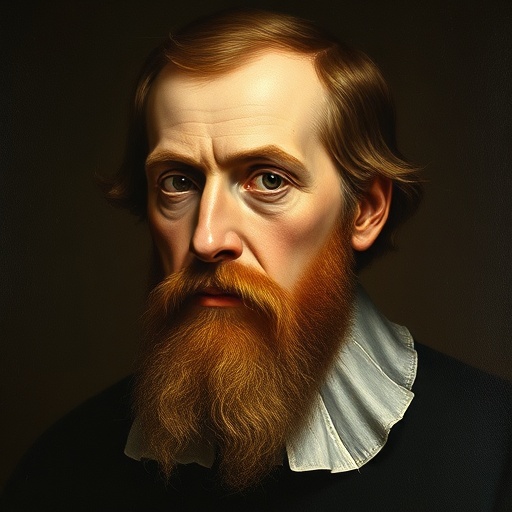
French theologian whose Institutes of the Christian Religion (1536) systematized Protestant Reformed doctrine, including predestination. Closely associated with Martin Luther (Reformation founder, Calvin's predecessor). For an intellectual contrast, see Jacobus Arminius, Dutch Reformed theologian (1560-1609) — Arminius's rejection of strict double-predestination founded Arminianism — the theological tradition modern Methodism, most evangelicalism, and Pentecostalism descend from. The Calvinist-Arminian debate has divided Protestantism for 400 years.
Found in 1 providers: grok
1 source checked
Divine condemnation of the wicked is fair, not arbitrary. Sinners face judgment for two reasons: they exist in fundamental separation from God, cut off from the source of goodness, and they are saturated with moral corruption. The double indictment—alienation plus impurity—answers the charge that God punishes unjustly. Both conditions are real, not merely imputed, making the guilty genuinely deserving of the judgment they receive.
Calvin's doctrine of Total Depravity held that sin corrupts every human faculty, making people genuinely alien to God—not just legally guilty. His double-predestination theology insisted God's condemnation of the reprobate is just precisely because the condemned are truly wicked. In Geneva he enforced strict moral codes, executing heretics like Servetus, embodying his conviction that impurity is not merely spiritual but demands real-world judgment.
The 16th-century Reformation erupted over who gets saved and why. Medieval Catholicism offered indulgences and priestly absolution as escape routes from condemnation—Calvin rejected this as corrupt. With religious wars fragmenting Europe, defining who the wicked truly are carried life-or-death stakes. Protestant cities like Geneva needed theological justification for moral enforcement; Calvin's framework—alienation from God plus impurity equals just condemnation—supplied it.
AI-generated insights based on extensive research and information for context. Factual errors? Email [email protected].
Your cart is empty