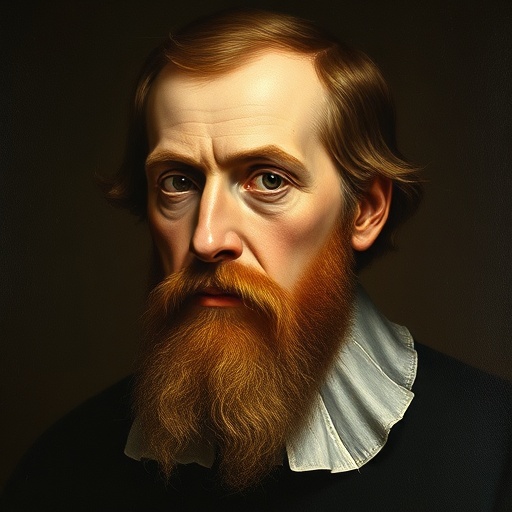
John Calvin — "This is plainly to ascribe divinity to 'free will.'"
This is plainly to ascribe divinity to 'free will.'
This is plainly to ascribe divinity to 'free will.'
Click any product to generate a realistic preview. Up to 3 at a time.
* Initial load can take up to 90 seconds — revising the preview in another color is nearly instant.
"For the mind of man is so entirely alienated from the righteousness of God that it can neither conceive, desire, nor design anything but what is vicious, perverted, impure, and iniquitous."
"The elect are called according to God's purpose, not according to their own merits."
"It is a horrible decree, I confess, but no one can deny that God foreknew what the end of man was to be before he created him, and that he foreknew it because he had so ordained it."
"The reprobate are not without excuse, because their blindness is voluntary."
"All good things proceed from God, and all evil things from ourselves."
French theologian whose Institutes of the Christian Religion (1536) systematized Protestant Reformed doctrine, including predestination. Closely associated with Martin Luther (Reformation founder, Calvin's predecessor). For an intellectual contrast, see Jacobus Arminius, Dutch Reformed theologian (1560-1609) — Arminius's rejection of strict double-predestination founded Arminianism — the theological tradition modern Methodism, most evangelicalism, and Pentecostalism descend from. The Calvinist-Arminian debate has divided Protestantism for 400 years.
Found in 1 providers: gemini
1 source checked
When people claim humans possess genuine free will to choose good or evil independent of God, they are effectively granting human will a divine quality—the power to determine spiritual outcomes without God's sovereign control. Calvin argues this elevates human capacity to a level belonging only to God, making free will itself an idol that competes with divine authority over salvation and human destiny.
Calvin's entire theological project centered on God's absolute sovereignty, particularly through his doctrine of predestination outlined in the Institutes of the Christian Religion. He fiercely opposed Erasmus and Catholic teaching that humans cooperate in their salvation. For Calvin, attributing decisive spiritual power to human will directly contradicted sola gratia—grace alone saves—which was the cornerstone of his Geneva ministry and Reformed theology.
The Reformation debate over free will versus predestination was the sixteenth century's most explosive theological controversy. Erasmus defended free will against Luther in 1524; Calvin continued this fight against Catholic and Arminian positions. The Council of Trent reaffirmed human cooperation in salvation, making Calvin's counter-assertion politically and spiritually urgent—the question determined church authority, sacramental systems, and the entire structure of Christian life in Reformation Europe.
AI-generated insights based on extensive research and information for context. Factual errors? Email [email protected].
Your cart is empty