What it means
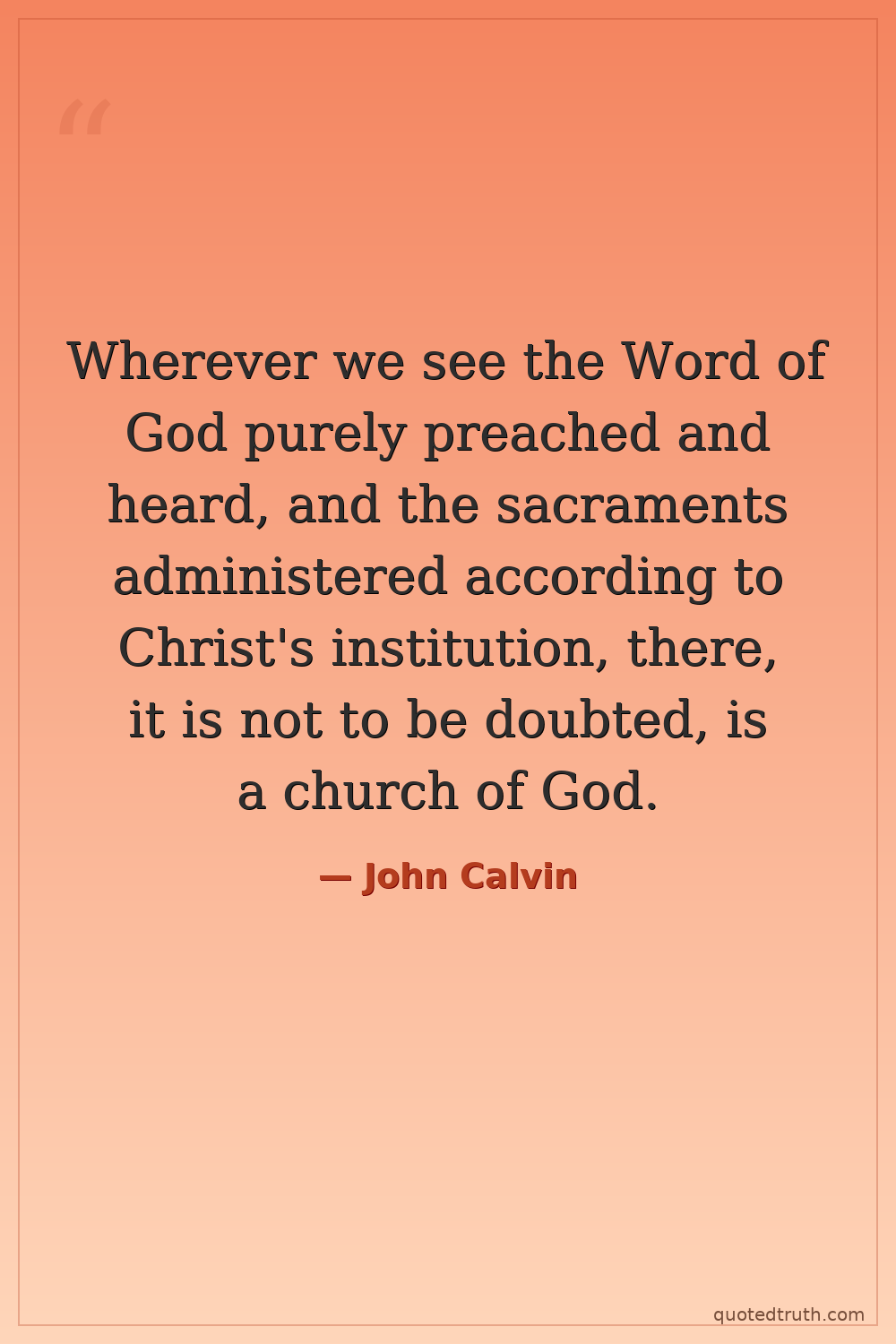
A true church isn't defined by its building, denomination, or institutional pedigree. Two markers identify genuine Christianity: the Bible faithfully proclaimed and received by its people, and baptism and communion practiced as Christ himself established them. Strip away the hierarchy, the cathedrals, the papal authority — if those two things are present, God's church is there. Simple, radical, and still debated by Christians today.
Relevance to John Calvin
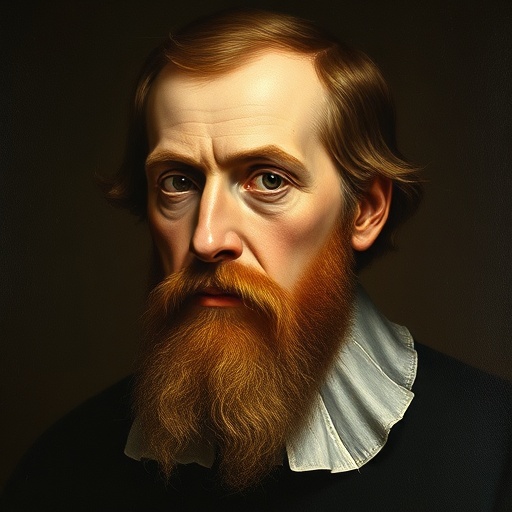
Calvin spent his life establishing Geneva as a model Reformed city, breaking from Rome's claim that only its hierarchical institution constituted the true church. His Institutes of the Christian Religion systematized this two-mark definition — pure preaching and proper sacraments — directly countering Catholic ecclesiology built on apostolic succession and papal authority. Having fled Catholic France and shaped Geneva's church government, Calvin needed a clear, Scripture-grounded answer to which churches were legitimate.
The era
The 16th-century Reformation shattered Western Christianity's unity. Rome insisted the true church required papal authority and apostolic succession — without them, Protestant gatherings were invalid. The Council of Trent (1545–1563) doubled down on this claim. Meanwhile, Protestants were fragmenting among Lutherans, Zwinglians, Anabaptists, and Calvinists. Whole nations chose sides, triggering religious wars. Calvin's definition gave every Scripture-faithful congregation — regardless of papal recognition — a principled theological claim to legitimacy.
AI-generated insights based on extensive research and information for context. Factual errors? Email [email protected].