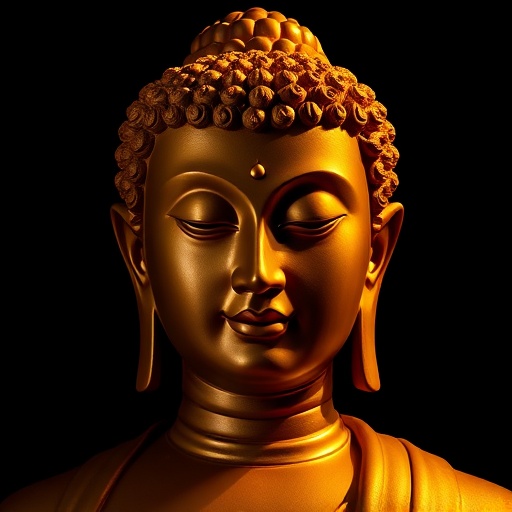
Siddhartha Gautama (Buddha) — "The greatest wealth is health."
The greatest wealth is health.
The greatest wealth is health.
Click any product to generate a realistic preview. Up to 3 at a time.
* Initial load can take up to 90 seconds — revising the preview in another color is nearly instant.
"He who has renounced all violence towards all living beings, weak or strong, who neither kills nor causes others to kill — him I call a holy man."
"The gift of truth excels all other gifts."
"To keep the body in good health is a duty... otherwise we shall not be able to keep our mind strong and clear."
"Beings are owners of their actions, heirs of their actions. They originate from their actions, are bound to their actions, have their actions as their refuge. It is action that distinguishes beings as…"
"Do not pursue the past. Do not lose yourself in the future. The past no longer is. The future has not yet come. Looking deeply at life as it is in the very here and now, the practitioner dwells in sta…"
Attributed, often cited in various Buddhist texts and teachings.
Date: c. 5th century BCE
Money & BusinessFound in 1 providers: grok
1 source checked
Physical and mental well-being outweighs money, possessions, or status. You can accumulate vast riches, but without a functioning body and sound mind, those riches bring little enjoyment or use. Health lets you work, think, love, and experience life; illness strips away those capacities regardless of bank balance. The saying urges people to prioritize sleep, diet, movement, and peace of mind before chasing material gain, since wealth cannot be spent by someone too sick to live.
Siddhartha abandoned a prince's luxury after seeing sickness, aging, and death among ordinary people, concluding that palace wealth could not shield anyone from bodily suffering. His entire teaching targets dukkha, the unsatisfactoriness tied to the fragile body and restless mind. The Eightfold Path promotes moderate eating, mindful breathing, and mental discipline, treating wholesome physical and psychological health as the true foundation for awakening, far more valuable than the royal inheritance he walked away from at twenty-nine.
In 5th-century BCE northern India, the Ganges plain was urbanizing, kingdoms like Magadha and Kosala were expanding, and a merchant class was accumulating unprecedented coin-based wealth. Brahminical rituals emphasized sacrifice for prosperity, while rival shramana movements questioned whether riches and caste could deliver lasting fulfillment. Epidemics, famine, and short lifespans made bodily frailty visible daily. Against this backdrop, reframing health rather than gold or cattle as supreme wealth was a pointed critique of both priestly and mercantile values.
AI-generated insights based on extensive research and information for context. Factual errors? Email [email protected].
Your cart is empty