Mahavira — "The soul is neither male nor female."
The soul is neither male nor female.
The soul is neither male nor female.
Click any product to generate a realistic preview. Up to 3 at a time.
* Initial load can take up to 90 seconds — revising the preview in another color is nearly instant.
"The greatest victory is the victory over oneself."
"The wise man is he who knows the truth."
"Do not desire anything that is not yours."
"The soul is pure and eternal. It is never born, nor does it ever die."
"Renunciation is the key to eternal happiness."
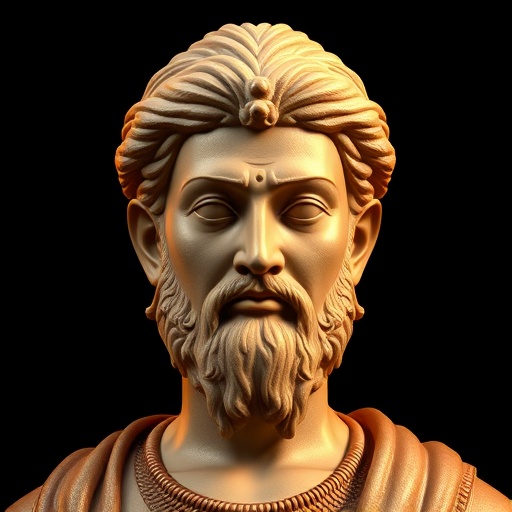
24th and last Tirthankara of Jainism, whose teachings of strict ahimsa (non-violence), aparigraha (non-attachment), and karma reshaped ancient Indian religion. Closely associated with The Buddha (near-contemporary moral revolutionary, also reacting against Vedic ritualism). For an intellectual contrast, see Vedic Brahmanical ritual sacrifice, the animal-sacrifice-centered Vedic religion of his era — Mahavira's ahimsa demanded total non-violence, including not eating root vegetables that kill the plant — a maximum-distance ethical move from the Vedic priestly tradition that ritually sacrificed cattle and horses. The two cleanest poles of ancient Indian religious ethics.
Found in 1 providers: deepseek
1 source checked
The immortal soul transcends biological sex and gender entirely. Any identity rooted in the physical body is temporary and illusory; the soul's nature is genderless and universal. This challenges social hierarchies built on sex, arguing that spiritual capacity and moral worth are equal regardless of whether one inhabits a male or female body—what matters is the soul's accumulated karma and its progress toward liberation.
Mahavira (599–527 BCE) spent 12 years in ascetic renunciation, stripping away all physical and social identity to pursue moksha. Jainism's central doctrine holds the soul (jiva) as eternal and wholly distinct from the body. Mahavira controversially admitted women into his monastic order, recognizing them as equally capable of liberation. This belief that the soul is unmarked by sex directly grounded that radical inclusion.
Sixth-century BCE India was rigidly stratified by caste and gender. Vedic Brahminism restricted ritual authority and paths to liberation almost entirely to high-caste men; women were considered spiritually inferior and barred from full religious practice. Mahavira's contemporary Gautama Buddha also debated women's capacity for liberation. Declaring the soul genderless was a direct theological strike against this patriarchal order and the widespread belief that female birth was a spiritual disadvantage.
AI-generated insights based on extensive research and information for context. Factual errors? Email [email protected].
Your cart is empty