What it means
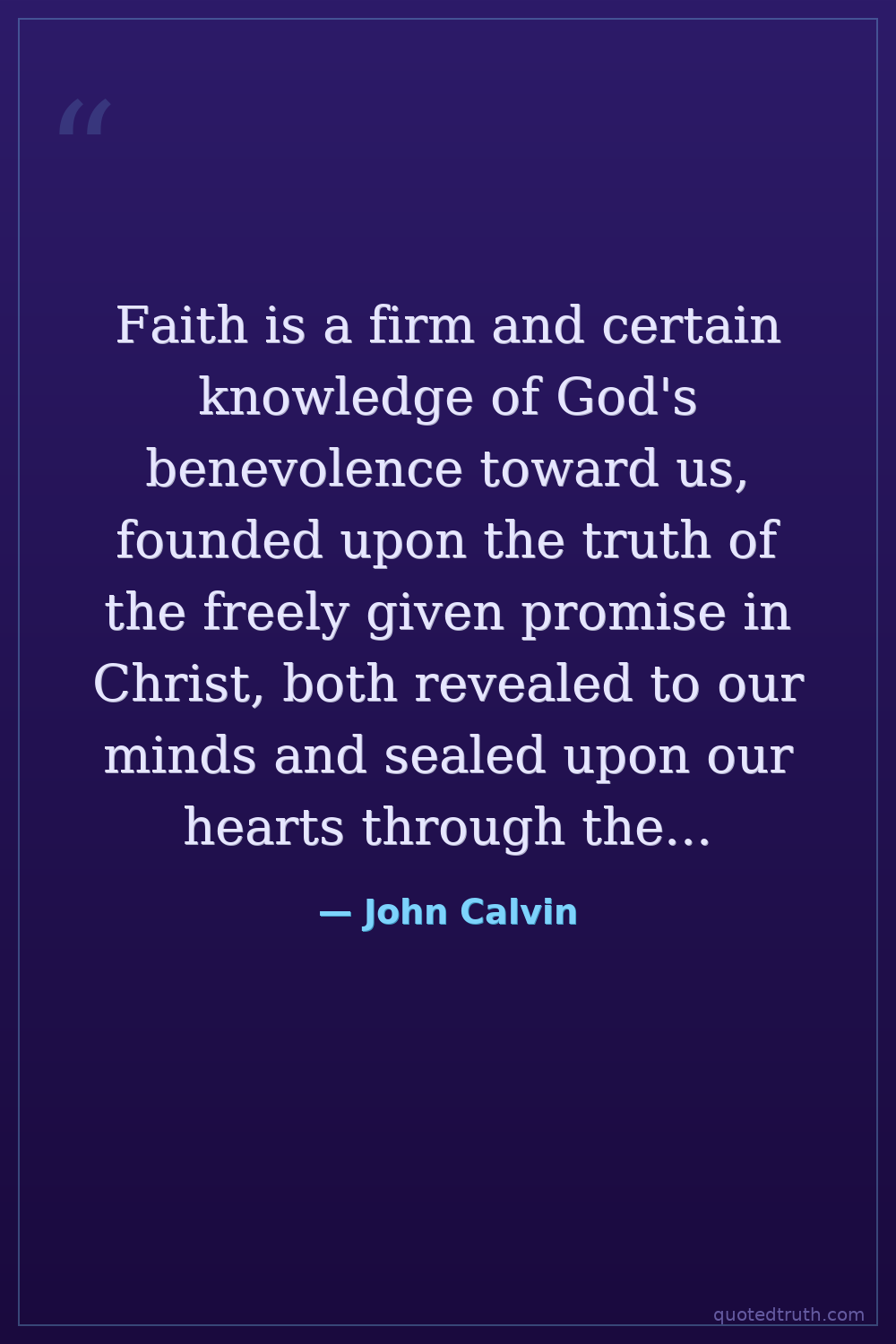
True faith is not vague hope or emotional feeling, but solid, confident knowledge that God actively favors you. This assurance rests on Christ's unconditional promise, not human effort or merit. It operates on two levels simultaneously: the mind grasps it intellectually, and the Holy Spirit imprints it deeply into the heart, making it personally real and unshakeable rather than merely theoretical or external.
Relevance to John Calvin
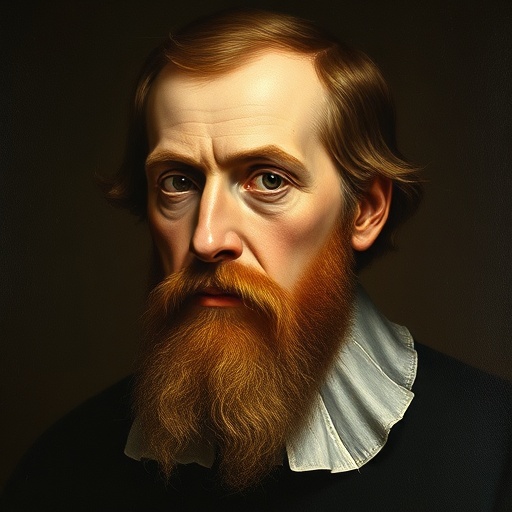
Calvin spent his life systematizing Protestant theology, particularly the doctrine of grace. His magnum opus, the Institutes of the Christian Religion, elaborated precisely this definition. As a Reformation leader in Geneva, he fought against both Catholic works-righteousness and radical subjectivism, insisting faith must be knowledge-based yet Spirit-confirmed. This definition encapsulates his entire theological project: sovereign grace received through certain, Spirit-wrought assurance.
The era
The 16th-century Reformation erupted over the question of how sinners find assurance before God. Catholics located certainty in sacraments and the Church; Luther discovered it in Scripture alone. Calvin wrote amid fierce theological battles, religious wars, and the Council of Trent's counter-response. Ordinary believers desperately needed to know whether salvation was certain. Calvin's definition answered that existential crisis with structured theological precision.
AI-generated insights based on extensive research and information for context. Factual errors? Email [email protected].