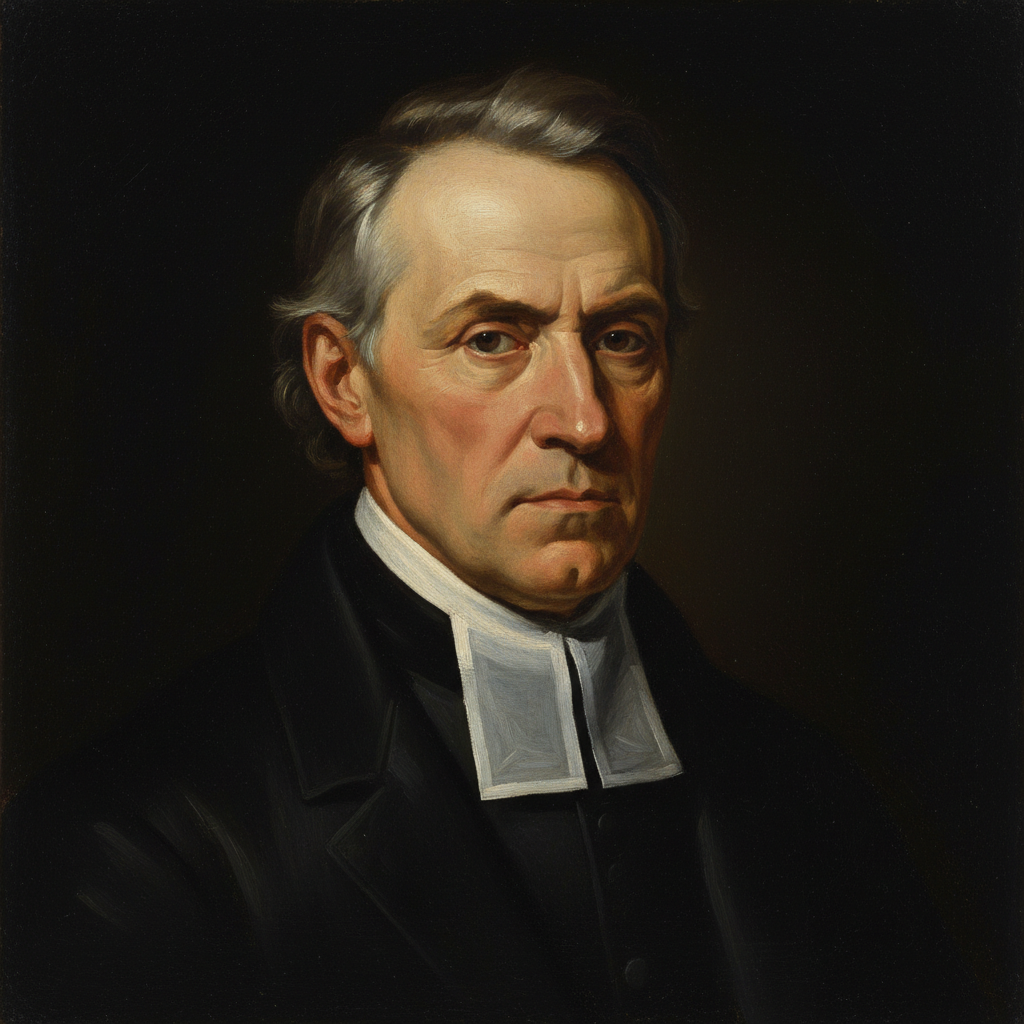
What it means
Wesley is defending himself against the charge of 'enthusiasm' — a term meaning fanaticism or delusion in the 18th century, specifically claiming direct divine inspiration without rational basis. He asserts his faith rests on Scripture and reason, not personal visions or private revelations. He distances himself from radical sectarian movements claiming special divine gifts, positioning Methodism as rational, disciplined Christianity rather than emotional fanaticism or dangerous religious excess.
Relevance to John Wesley
Wesley founded Methodism as a methodical, disciplined approach to faith — 'method' is literally in the name. An Oxford-educated Anglican minister, he emphasized structured devotion, field preaching, and charitable works over mystical experience. Critics frequently accused Methodist revivalists of dangerous emotional excess. Wesley consistently appealed to Scripture and Anglican tradition to distinguish his systematic faith from charismatic claims that would undermine his credibility with Church establishment and educated society.
The era
The 18th century Enlightenment elevated reason above revelation, making claims of divine inspiration deeply suspect among educated elites. 'Enthusiasm' was a damning pejorative associated with radical Puritans, French Prophets, and Quakers who claimed direct divine communication — groups widely viewed as socially dangerous and mentally unstable. Wesley's Methodist revival emerged amid this tension between religious fervor and rationalist skepticism, forcing him to justify revivalist passion as compatible with Scripture and established reason.
AI-generated insights based on extensive research and information for context. Factual errors? Email [email protected].