What it means
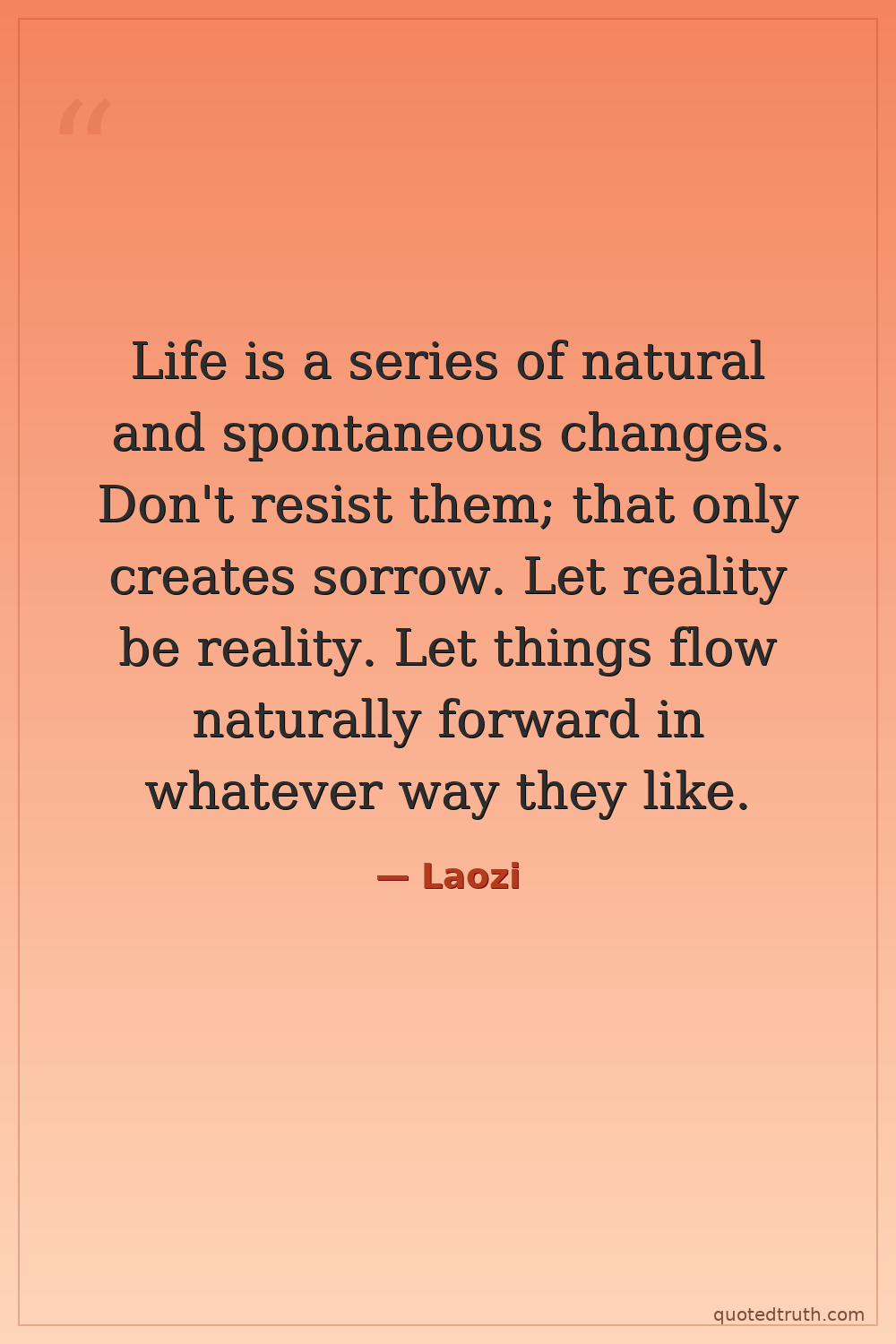
Life constantly shifts, and trying to force things to stay the same or go a certain way just causes suffering. Accept what happens as it happens, stop fighting the current of events, and allow situations, people, and yourself to change on their own timeline. Peace comes from releasing the grip of control and moving with circumstances instead of against them, trusting that things unfold as they need to.
Relevance to Laozi
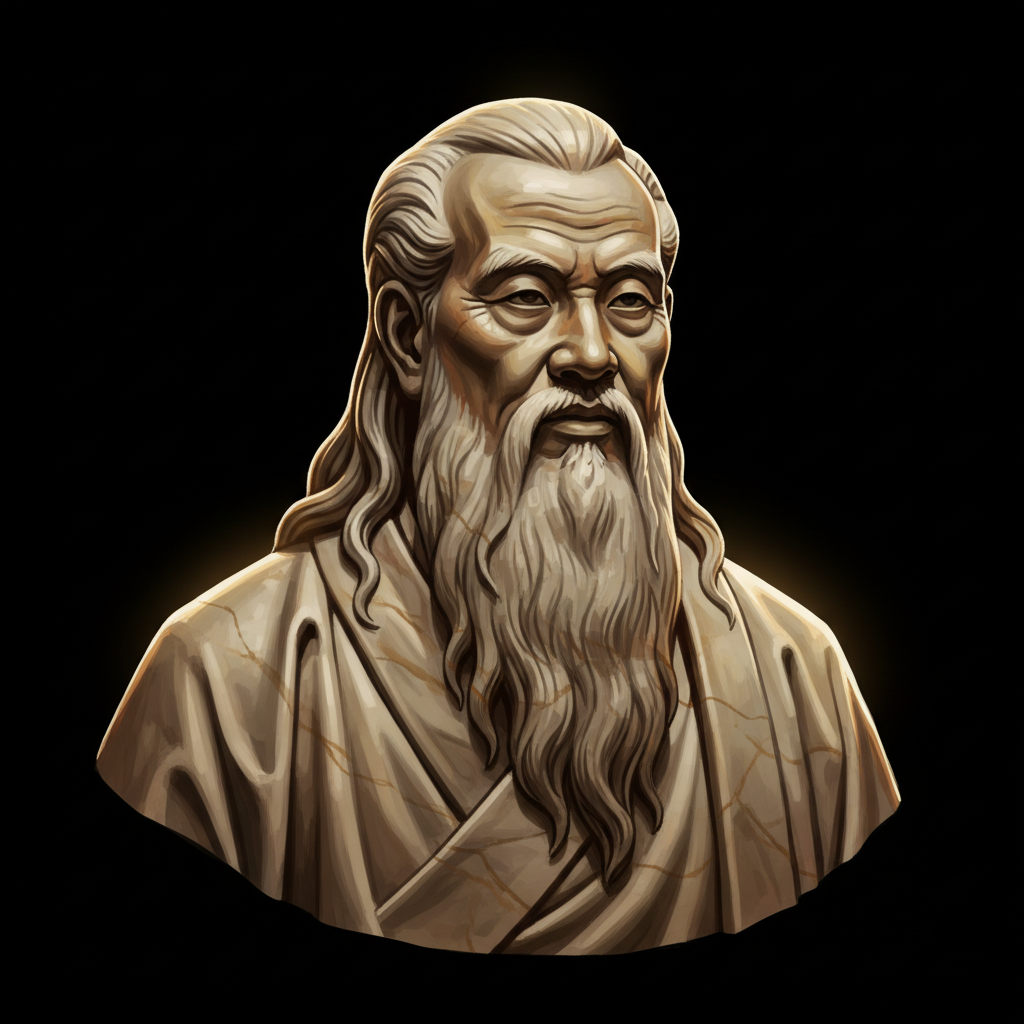
Laozi founded Taoism, a philosophy built around wu wei, meaning effortless action or non-forcing. He taught that the Tao, the underlying way of the universe, flows on its own and humans suffer when they struggle against it. This quote distills his central teaching that harmony comes from yielding rather than controlling, a principle he articulated throughout the Tao Te Ching, the foundational text attributed to him.
The era
Laozi lived during China's Spring and Autumn period around the 6th century BCE, an era of collapsing Zhou dynasty authority, constant warfare between rival states, and social upheaval. Thinkers competed to offer solutions, producing the Hundred Schools of Thought including Confucianism and Legalism, which emphasized rigid order and control. Laozi's counter-message of surrender, simplicity, and alignment with nature offered war-weary people a radical alternative to the striving and rigid hierarchies dominating his turbulent age.
AI-generated insights based on extensive research and information for context. Factual errors? Email [email protected].