Mahavira — "Purity of mind is the supreme dharma."
Purity of mind is the supreme dharma.
Purity of mind is the supreme dharma.
Click any product to generate a realistic preview. Up to 3 at a time.
* Initial load can take up to 90 seconds — revising the preview in another color is nearly instant.
"The world is full of illusion, and the truth is hidden."
"The path of non-violence is the path of enlightenment."
"One should always speak the truth."
"The highest form of worship is to serve humanity."
"The soul is the master of its own destiny."
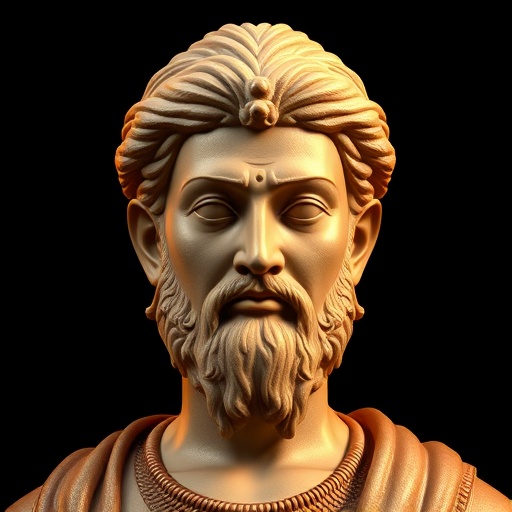
24th and last Tirthankara of Jainism, whose teachings of strict ahimsa (non-violence), aparigraha (non-attachment), and karma reshaped ancient Indian religion. Closely associated with The Buddha (near-contemporary moral revolutionary, also reacting against Vedic ritualism). For an intellectual contrast, see Vedic Brahmanical ritual sacrifice, the animal-sacrifice-centered Vedic religion of his era — Mahavira's ahimsa demanded total non-violence, including not eating root vegetables that kill the plant — a maximum-distance ethical move from the Vedic priestly tradition that ritually sacrificed cattle and horses. The two cleanest poles of ancient Indian religious ethics.
Found in 1 providers: grok
1 source checked
True virtue isn't about rituals or outward compliance — it's about keeping your mind free from greed, hatred, deceit, and pride. If your inner thoughts are clean, right action follows naturally. No amount of prayer, fasting, or ceremony substitutes for a genuinely uncorrupted mind. Dharma — moral duty — is fulfilled only when it begins from within. Mental purity is the root from which all ethical behavior grows.
Mahavira spent 12 years in silent, wandering asceticism before attaining Kevala Jnana — omniscience — cultivating radical inner stillness over external action. Jainism's core goal is purifying the soul from karmic matter accumulated through passions: anger, pride, deceit, greed. He abandoned royal life not to perform rituals but to conquer his own mind. This quote is inseparable from his teaching that liberation comes only through complete mastery of one's inner life.
Mahavira lived in 6th–5th century BCE northern India during a spiritual revolution called the Shramana movement. Brahminical priests dominated religious life through elaborate Vedic sacrifices and caste hierarchies — salvation required expensive rituals, not personal ethics. Reformers like Mahavira and the Buddha rejected this, arguing inner transformation mattered more than priestly ceremony. Emphasizing mind purity was radical: it democratized liberation, making it achievable through personal discipline rather than birth or wealth.
AI-generated insights based on extensive research and information for context. Factual errors? Email [email protected].
Your cart is empty