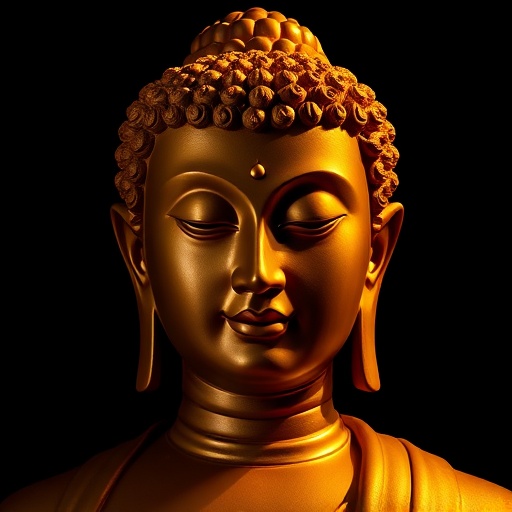
Siddhartha Gautama (Buddha)
Founder of Buddhism
Sayings by Siddhartha Gautama (Buddha)
Drop by drop is the water pot filled. Likewise, the wise man, gathering it little by little, fills himself with good.
The wise ones who are intent on meditation, who delight in the peace of renunciation, such mindful ones, perfect in right understanding, cast off the net of Māra.
Conquer the angry one by love. Conquer the evil one by good. Conquer the stingy one by generosity. Conquer the liar by truth.
Happiness does not depend on what you have or who you are. It solely relies on how you think.
It is in the nature of things that joy arises in a person free from remorse.
Health is the greatest gift, contentment the greatest wealth, faithfulness the best relationship.
If a man foolishly does me wrong, I will return to him the protection of my boundless love. The more evil that comes from him, the more good will go from me.
One day, in the morning, having put on his undergarment and taken his outer robe and bowl, the Blessed One entered Sāvatthī for alms.
Monks, I will teach you the all. Listen and pay close attention. I will speak. And what is the all? The eye and forms, ear and sounds, nose and odors, tongue and tastes, body and tactile sensations, intellect and mental phenomena. This is called the all.
If you find no one to support you on the spiritual path, walk alone. There is no companionship with the immature.
The thoughtless man, even if he can recite a large portion of the law, but is not a doer of it, has no share in the priesthood, but is like a cowherd counting the cows of others.
He who is not disturbed by the clamor of the world, nor by its sorrows, nor by its joys, is truly a wise man.
Just as a mother would protect her only child with her life, even so let one cultivate a boundless love towards all beings.
Do not pursue the past. Do not lose yourself in the future. The past no longer is. The future has not yet come. Looking deeply at life as it is in the very here and now, the practitioner dwells in stability and freedom.
May all beings be happy and safe, and may their hearts be filled with joy.
If you truly loved yourself, you could never hurt another.
What is the world? It is a fleeting show, a transient dream. What is life? It is a momentary flash, a passing shadow.
There is no path to happiness: happiness is the path.
Let him not despise what he has received, nor should he envy others. He who envies others does not obtain peace of mind.
Nothing can harm you as much as your own thoughts unguarded.